
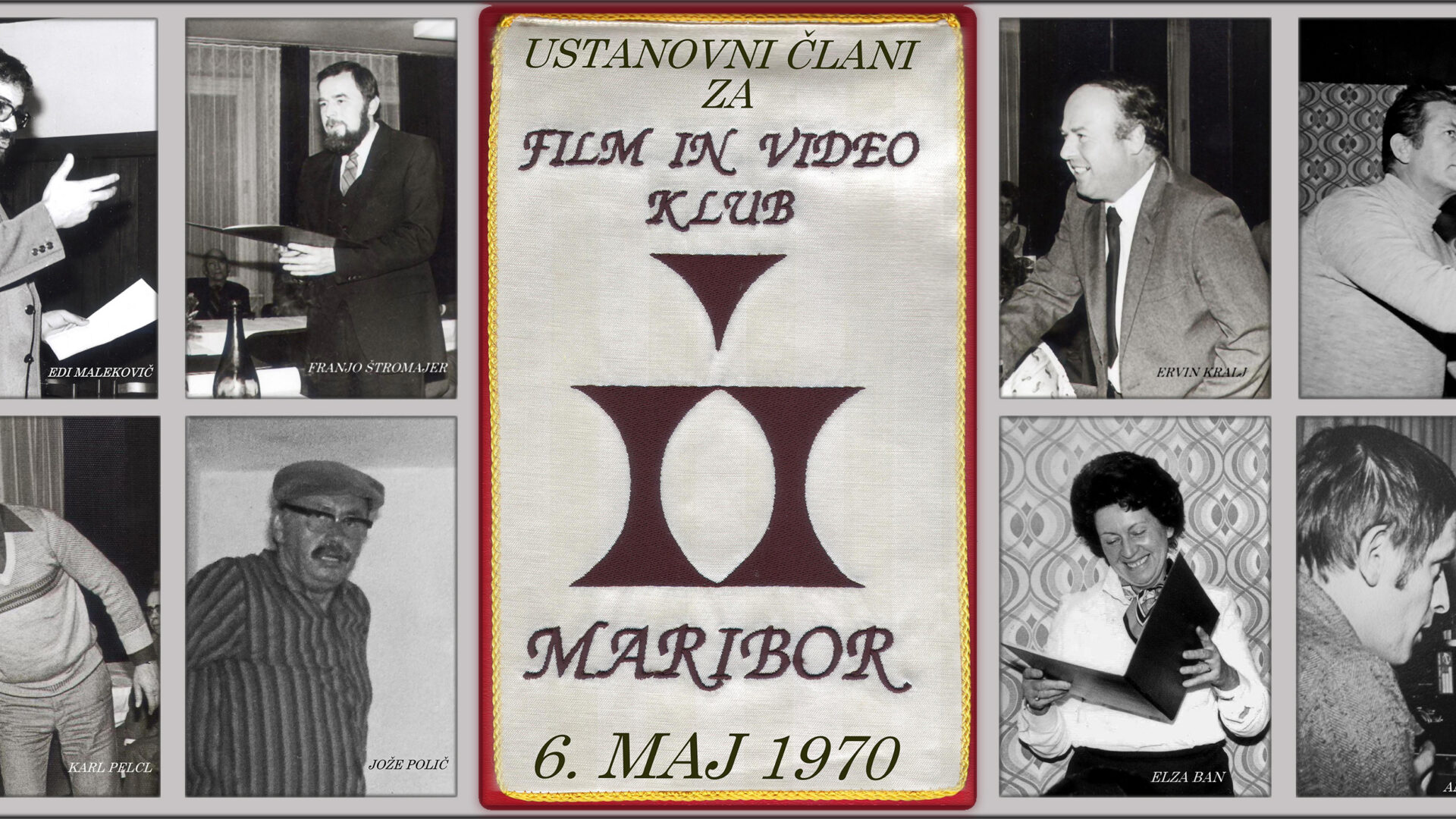
Amateur film experienced a vibrant development in Maribor. Cinema enthusiasts came together in clubs to share their knowledge, and either individually or collectively created an invaluable visual archive of the city. They documented everyday life, the lives of the working class, local celebrations, and personal reflections. The state supported the clubs’ activities, enabling them to purchase technical equipment and encouraging creative work.
Amateur filmmakers in the city gained new momentum in the 1970s. The cinema section of the Maribor Photo Cinema Club began to make a name for itself at prestigious festivals throughout the former SFR Yugoslavia. Several of their films won awards, which encouraged the club members to further their education and continue their creative work, as well as begin organising festivals. Due to technological developments, the club was renamed. In 1974, the Maribor Photo Cinema Club split into two clubs: the Maribor Cinema Club and the Maribor Photo Club. In 1997, the Maribor Cinema Club became the Maribor Film and Video Club.
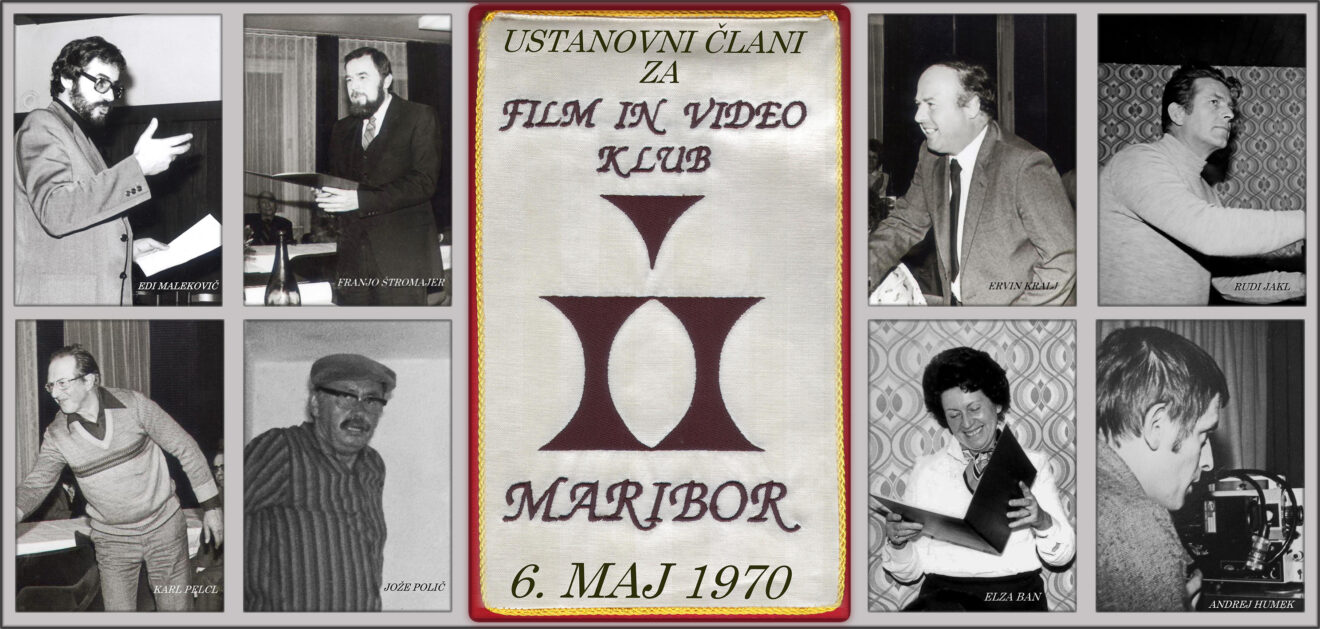
Between 1972 and 1988, the club collaborated with the Slovenian Photo-Cinema Association to organise the Maribor-Yugoslavia Amateur Documentary Film Festival. The Maribor Cinema Club received a prestigious award from the European Film Association (UNICA) in recognition of this work, and was named the best cinema club in Yugoslavia.
Following the country’s independence, the club continued to organise smaller screenings and collaborate with other Slovenian clubs. At the turn of the millennium, operating under its new name of the Maribor Film and Video Club, the club organised the Toti Video Festival, an international event that enriched the amateur film scene between 2000 and 2013. Club members also regularly participated in international festivals, receiving awards for their films.
The exhibition takes us through the various stages of filmmaking, from the concept and screenplay to filming, film processing, editing, and screening. In the early 1980s, there was a transition from celluloid to magnetic film, and filmmakers had to constantly educate themselves and adapt to new challenges.
Among the key Maribor-based artists of this era, two stand out: Franci Kopič, the world record holder for the largest number of short films made, and Božidar Kunstelj, the club’s long-standing president. Kunstelj’s technical expertise and organisational skills helped to strengthen and raise the profile of amateur film culture.
This exhibition was created in response to a donation of cameras, projectors, and video equipment from the Maribor Film and Video Club, as well as the estate of Božidar Kunstelj, who was a member of the club for over forty years and its long-time president. When the club moved to a new location, some of its technical equipment was donated to the Maribor Photography Museum, which is part of the National Liberation Museum Maribor.